Engelsk (USA)
  Tysk
Tysk  Hollandsk
  Spansk
  Svensk
  Engelsk (UK)
  Fransk
  Italiensk
  Norsk
Norsk  Finsk
Finsk 
A tomato sauce can be perfectly respectable and still taste flat. The same goes for lentil ragu, mushroom pasta, vegetable soup or a quick traybake. What usually separates a decent dinner from one you think about the next day is not more salt or more oil – it is depth. That is exactly where plant-based flavour boosters earn their place in the kitchen.
For anyone cooking with more plants, the challenge is rarely finding ingredients. It is building the kind of layered savouriness people often associate with long-simmered stocks, aged cheese, roasted meat or seafood. The good news is that this depth is not exclusive to animal-based cooking. With the right boosters, plant-based food can taste rounder, richer and far more satisfying, even on a Tuesday night when you have 20 minutes and very little patience.
Why plant-based flavour boosters matter
A flavour booster is any ingredient that adds intensity, complexity or umami without demanding much effort. Some bring saltiness, some bring funk, some bring sweetness from caramelisation, and some do all three at once. The best ones do not mask your cooking. They make vegetables taste more like themselves, only fuller and more complete.
This matters because plant-based cooking often leans heavily on freshness, acidity and texture. Those are good things, but without a deeper savoury backbone, dishes can feel worthy rather than delicious. A flavour booster closes that gap. It helps a mushroom risotto taste restaurant-level rather than polite. It turns a quick noodle bowl into something with real body. It gives bean burgers, soups and stews the low, lingering notes that make you go back for another bite.
There is a trade-off, though. Some boosters are powerful enough to dominate if used clumsily. The goal is balance, not brute force. Think of them as seasoning with intent.
9 plant-based flavour boosters worth using
Miso
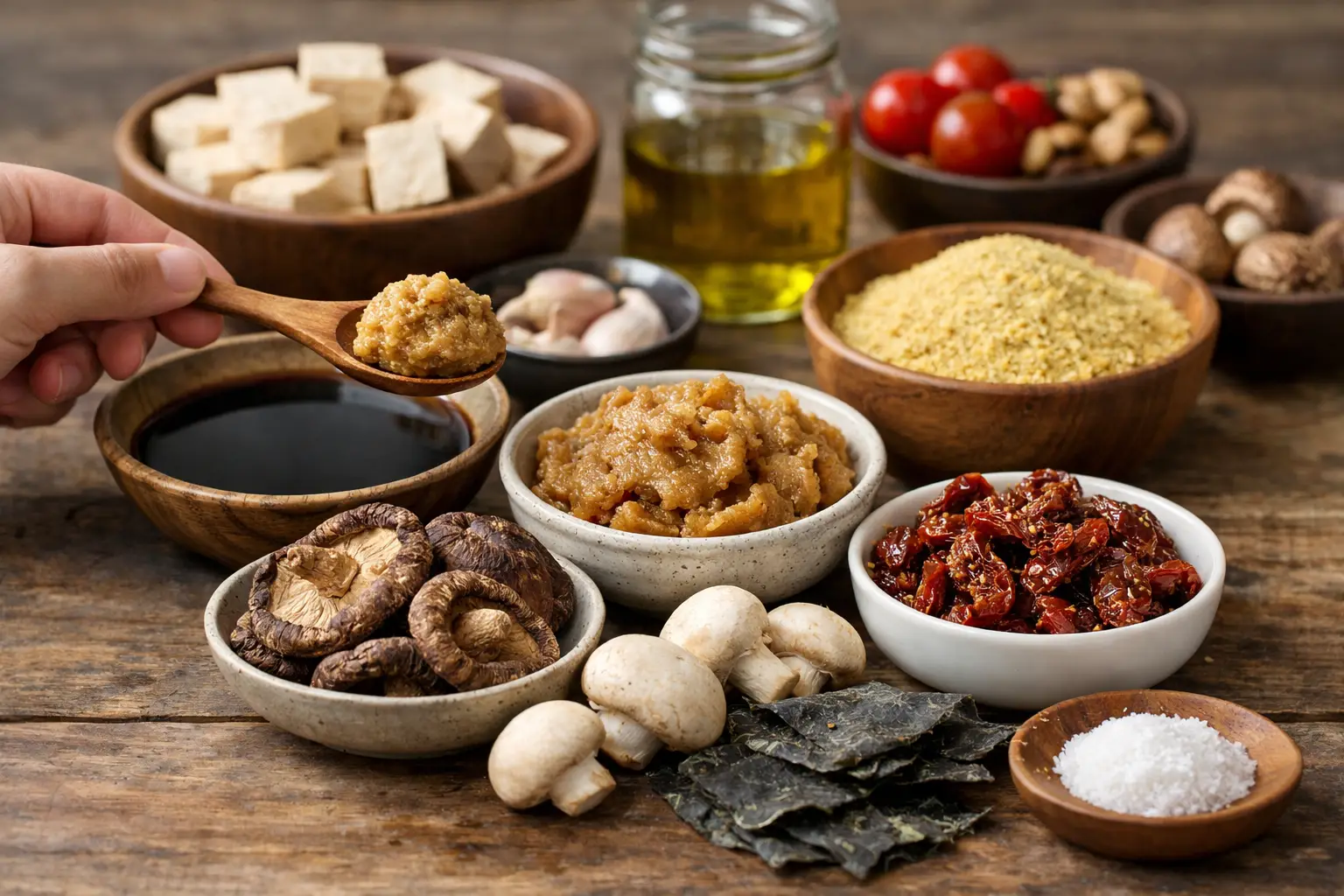
Miso is one of the quickest routes to depth. Made from fermented soybeans, it brings salt, sweetness and a rounded savoury quality that slips easily into soups, dressings, glazes and butter beans. White miso is gentler and slightly sweeter, while darker miso is more assertive.
A spoonful whisked into a vinaigrette can make roast carrots feel more substantial. Stirred into mushroom gravy or a creamy pasta sauce, it adds complexity without announcing itself too loudly. The main watch-out is salt. If you are already using stock, soy or capers, taste before adding more seasoning.
Nutritional yeast
Nutritional yeast has become a plant-based staple for good reason. It brings nuttiness, savouriness and a faint cheesiness, which makes it useful far beyond vegan macaroni. Sprinkle it into breadcrumb toppings, blend it into sauces, or stir it through mashed potatoes and polenta.
It is especially good when a dish needs richness but not necessarily moisture. A shower of nutritional yeast over hot popcorn is lovely, but it is even more effective folded into white bean dip or used to finish roasted cauliflower. It will not fully replace aged cheese in every situation, but it can absolutely create that same savoury satisfaction.
Mushroom powder
If you want concentration without bulk, mushroom powder is a clever one. Dried mushrooms blitzed into a fine powder carry a deep woodland savouriness that works beautifully in burgers, ragus, gravies and rice.
Because it dissolves into the background, it is ideal for feeding people who claim not to like mushrooms while happily devouring mushroom-enhanced food. Add a teaspoon to chilli, cottage pie filling or tomato sauce and the whole dish tastes more complete. Too much, however, can push things towards dusty or overly earthy, so start small.
Soy sauce and tamari
Classic, obvious, still essential. Soy sauce and tamari bring salinity, fermented depth and a subtle bitter edge that sharpens everything around them. They are not just for stir-fries. A dash in onion soup, lentil stew, gravy or even Bolognese-style sauce can dramatically improve flavour.
Tamari is often a little rounder and less sharp, while soy sauce can vary widely depending on style. Both are brilliant in marinades for aubergine, tofu and mushrooms. They also pair particularly well with sweetness, so try them in glazes with maple or date syrup for roasted squash or sticky greens.
Seaweed
Seaweed is one of the most underused savoury tools in plant-based cooking. Nori, kombu and dulse all bring mineral salinity and an almost oceanic umami that can deepen broths, beans and grain dishes.
Kombu is especially useful in cooking liquids. Add a strip while simmering lentils or stock and remove it before serving. Nori can be crumbled into seasoning mixes, sprinkled over rice bowls or folded into vegan butter for something surprisingly luxurious on new potatoes. Used lightly, seaweed adds intrigue. Used heavily, it can become dominant, so let it support rather than lead unless the dish is built around it.
Caramelised onion paste
Not every flavour booster comes from fermentation. Slow-cooked onions, reduced until jammy and dark, bring sweetness, bitterness and savouriness in one move. A spoonful of caramelised onion paste can transform soups, sauces, pies and braises.
This is especially useful in family cooking, where bold fermented flavours can sometimes divide opinion. Onion depth feels familiar. It rounds out bean stews, enriches gravy and gives plant-based burgers a fuller, meatier profile. The only drawback is that proper caramelisation takes time, which is why a ready-to-use version can be such a gift.
Smoked ingredients
Smoked paprika, smoked salt and smoked plant-based concentrates all add instant atmosphere. Smoke signals richness and warmth, which is why it works so well in chilli, baked beans, roast potatoes and creamy dips.
It is also a very effective way to create the impression of long cooking when dinner has come together in 15 minutes. That said, smoke is easy to overdo. Too much can make everything taste one-note, as if the entire meal has been dragged through a bonfire. A measured hand makes all the difference.
Truffle
Truffle is not an everyday ingredient in the literal sense, but in small amounts it can make ordinary food feel distinctly special. It adds aroma more than brute savouriness, which means it is best used where you want elegance rather than heaviness.
Think truffle stirred through mushroom risotto, folded into mashed celeriac, spooned into aioli, or brushed over flatbreads fresh from the oven. The trick is restraint. Truffle should create lift and allure, not flatten everything else in the room.
Concentrated plant-based flavour pastes
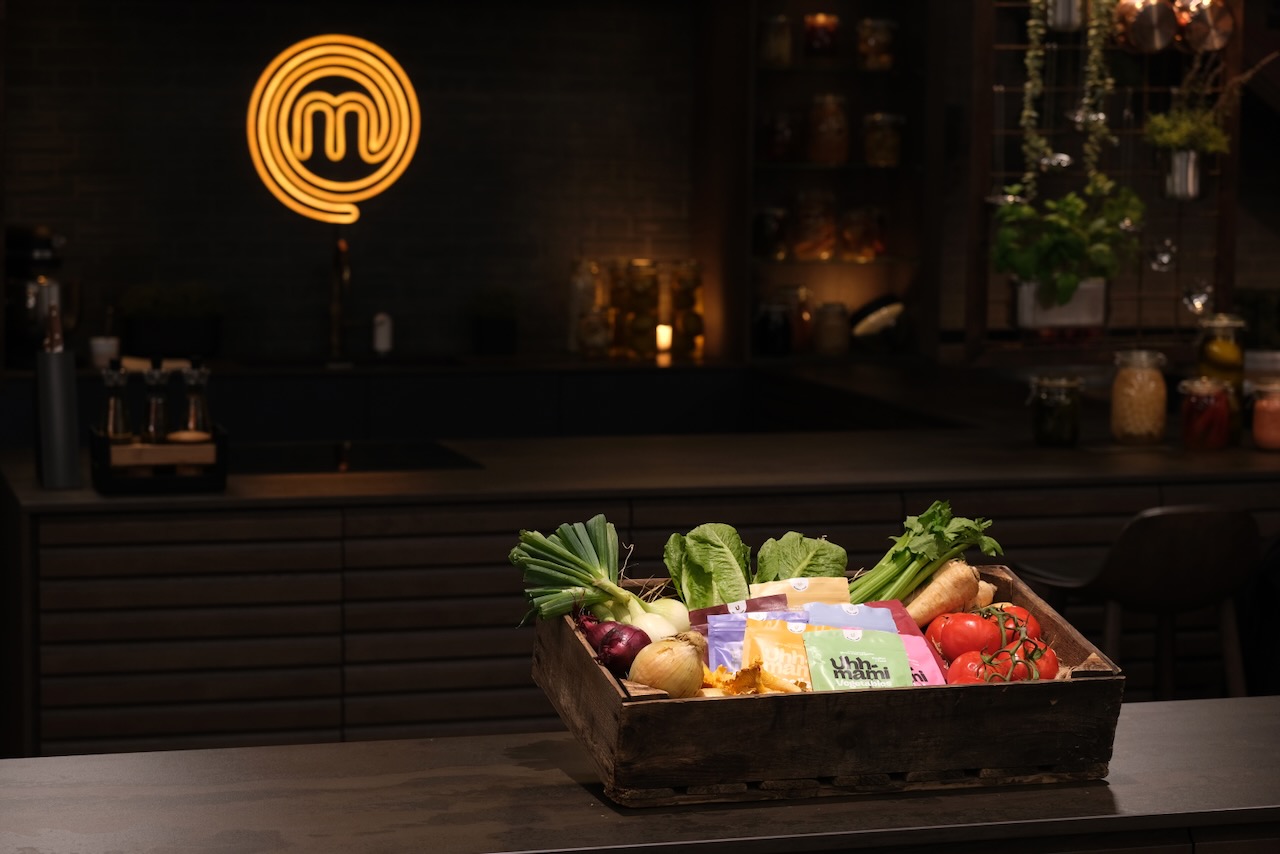
This is where modern food innovation has become genuinely useful. Concentrated flavour boosters built from organic, plant-based ingredients can give home cooks access to the kind of depth that usually takes chefs hours to layer. Whether the profile leans bacon-ish, chicken-ish, cheese-ish, beef-ish, ocean-ish or vegetable-forward, a good concentrate can bring remarkable complexity with very little effort.
These products are at their best when they are clean-tasting, balanced and versatile. Stir one into risotto, whisk it into a creamy sauce, mix it into burger mince, brush it over roast vegetables or add a little to fried rice. The advantage is speed, but also consistency. You are not assembling five separate umami ingredients every time you cook. You are building flavour in one deliberate move. Used well, products from brands such as Uhhmami make elevated plant-based cooking feel far more achievable on an ordinary weeknight.
How to choose the right flavour booster
The best choice depends on what your dish is missing. If it needs salty fermented depth, miso or soy sauce may be enough. If it needs a cheese-like finish, nutritional yeast or a cheese-inspired concentrate can do the job. If it feels thin and watery, mushroom powder or caramelised onion can add body. If it lacks drama, smoke or truffle might be the answer.
It also depends on who you are cooking for. A deeply funky miso-heavy noodle broth might thrill one household and lose another completely. Seaweed can be brilliant in a chowder-style soup, but less welcome in a simple pasta for children. Familiarity matters. One reason concentrated flavour boosters are becoming more popular is that they offer complexity in a format that still feels easy and approachable.
Making plant-based flavour boosters work in everyday meals
The smartest approach is not to save these ingredients for special occasions. Use them where they have the most impact in food you already cook. Stir a savoury booster into tomato sauce before tossing with pasta. Add one to hummus to make it more rounded and more snackable. Fold it into mayo for sandwiches, into soup for a richer finish, or into burger mixtures to create a more satisfying bite.
This is where flavour becomes practical rather than theoretical. Plant-based food does not need to be worthy, expensive or complicated to taste exciting. It just needs help in the right places. A spoonful here, a pinch there, and suddenly roast cabbage has character, lentils have backbone, and a quick bowl of rice and greens tastes like an actual meal rather than a compromise.
Good cooking often comes down to knowing what to add before anyone at the table can tell you what is missing. Once you start using flavour boosters with purpose, that instinct gets much easier – and dinner gets a lot more interesting.