Engels (Verenigde Staten)
  Deens
Deens  Duits
Duits  Spaans
  Zweeds
  Engels (UK)
  Frans
Frans  Italiaans
  Noors
Noors  Fins
Fins 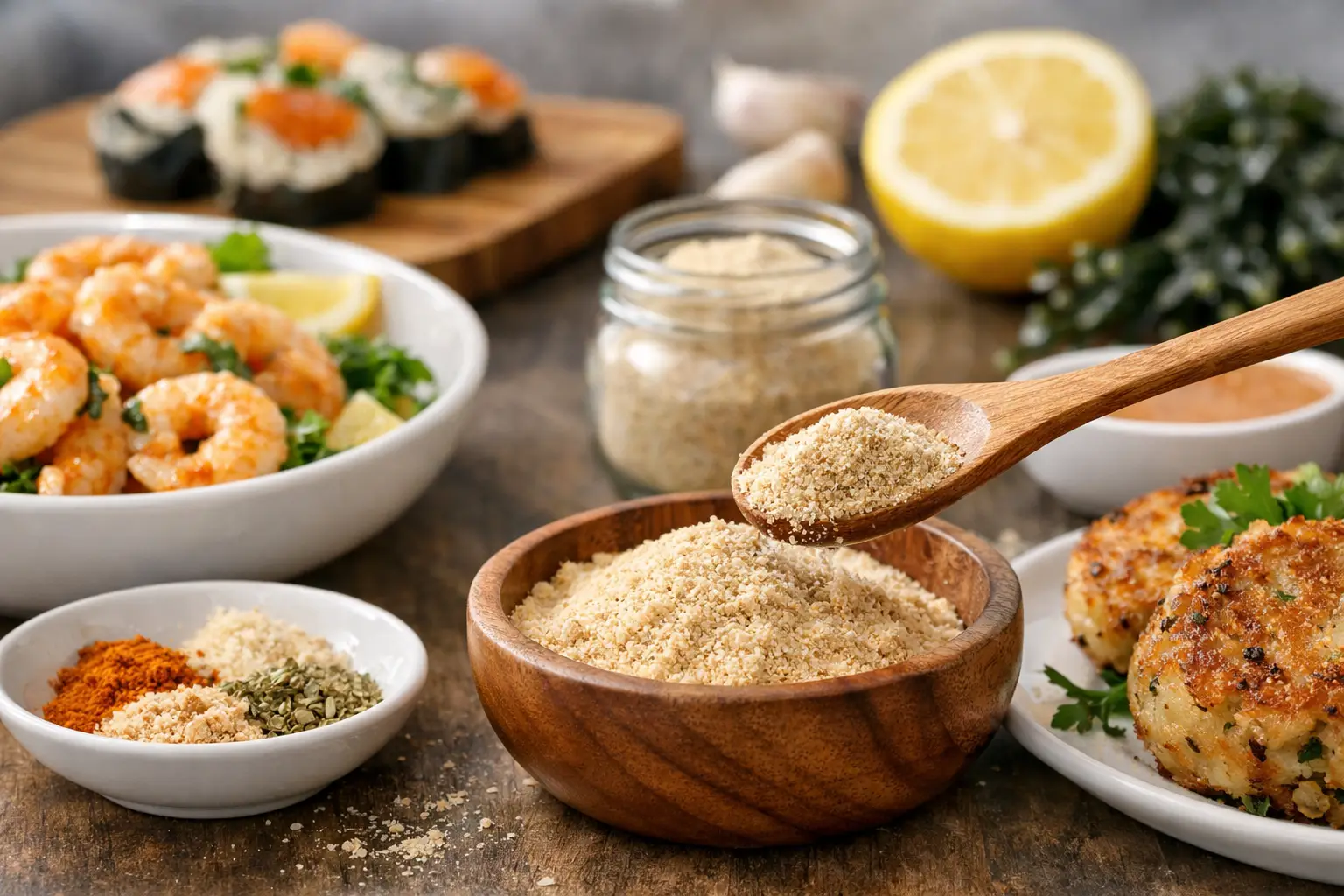
That moment when a pasta sauce, chowder, or pan of fried rice feels flat usually comes down to one thing – it is missing the savory, briny edge that makes seafood-inspired dishes taste complete. Vegan seafood flavour seasoning solves that problem beautifully. It brings the oceanic, salty, deeply savory notes people love in classic seafood cooking, but in a form that is easy to use, pantry-friendly, and built for modern plant-based meals.
What vegan seafood flavour seasoning actually does
A good vegan seafood flavour seasoning is not trying to be a gimmick. It is there to recreate a flavor profile: minerality, salinity, gentle sweetness, and umami. Those are the notes that make seafood stock, shellfish sauces, and fish-based broths so satisfying.
The best versions usually build this effect from ingredients like seaweed, mushrooms, yeast extracts, herbs, spices, and carefully balanced savory elements. Seaweed often does the heavy lifting because it naturally brings iodine-rich, ocean-like character. Mushroom and yeast-based ingredients round that out with depth, so the result tastes full rather than sharp.
That balance matters. If a seasoning leans too hard into seaweed, it can taste overly marine and one-dimensional. If it focuses only on umami, it may taste savory but not recognizably seafood-inspired. The sweet spot is a seasoning that gives you a clean, appetizing coastal note without overpowering the dish.
Why it works so well in everyday cooking
Seafood flavor is one of those culinary shortcuts that makes simple food taste more layered. A spoonful in a sauce can create the impression that something simmered for hours. A pinch in rice can make the whole pan feel more restaurant-level.
That is what makes vegan seafood flavour seasoning especially useful for home cooks. You do not need to make a stock from scratch or keep specialty ingredients on hand. You can add depth in seconds, which is exactly what busy weeknight cooking needs.
It is also flexible. You can use it in fully plant-based meals, but it also fits naturally into a flexitarian kitchen. If you are cooking for mixed preferences or simply trying to add more variety to your meals, it gives you another flavor direction without making things complicated.
Where vegan seafood flavour seasoning shines
The most obvious place to start is pasta. A tomato sauce with garlic, chili, olive oil, and a little vegan seafood seasoning suddenly has the character of a simple seafood pasta. Add sautéed zucchini or roasted cherry tomatoes and the dish feels complete, rich, and surprisingly elegant.
Rice dishes are another natural fit. Stir a little into risotto, paella-style rice, or even a quick skillet rice with peas and lemon. It adds that subtle savory backbone that keeps the dish from tasting bland. In fried rice, it works especially well with scallions, ginger, and sesame oil, where it echoes the kind of depth people often expect from oyster or fish-based sauces.
Soups and chowders might be where this seasoning feels most at home. Corn chowder, potato soup, creamy vegetable soups, and brothy noodle bowls all benefit from a touch of briny umami. The key is restraint. You want the flavor to round out the broth, not take over every spoonful.
It is also excellent in sauces and dips. Mix a little into vegan mayo, aioli, or sour cream-based alternatives for a seafood-style spread for sandwiches, roasted potatoes, or vegetable fritters. Add it to butter or olive oil sauces with lemon and parsley, and suddenly simple roasted cauliflower or grilled mushrooms taste far more indulgent.
How to cook with it without overdoing it
This is a seasoning where less is usually more. Start small, taste, and build. Because the flavor profile includes salinity and umami, adding too much too soon can push a dish out of balance.
A smart approach is to treat it as part salt, part stock concentrate, and part finishing seasoning. In soups, sauces, and grains, add it early enough that it can dissolve and blend into the dish. In dressings, spreads, or quick sautés, a small amount added toward the end can keep the flavor bright and distinct.
Acid helps too. Lemon juice, a splash of vinegar, or even finely chopped capers can sharpen the seafood-inspired notes and make them feel more natural. Fat is just as important. Olive oil, plant butter, or a creamy base gives the seasoning somewhere to land, which creates a fuller, rounder taste.
Fresh herbs make a difference as well. Parsley, dill, chives, fennel fronds, and tarragon all play well with seafood-style flavors. If your dish tastes close but not quite finished, it often needs one of these green, fresh notes rather than more seasoning.
The best dishes to try first
If you are new to vegan seafood flavour seasoning, start with dishes that already make sense with briny, savory flavors. A lemony pasta with garlic and breadcrumbs is an easy win. So is a creamy chowder with potatoes, sweet corn, and celery.
Another great option is a plant-based fish-style sauce for roasted vegetables. Use olive oil or butter, garlic, lemon zest, parsley, and a small amount of the seasoning. Spoon it over roasted cabbage, grilled asparagus, or pan-seared mushrooms and the whole plate feels lifted.
For lunch, it can transform humble staples. Stir a pinch into chickpea salad with celery, lemon, and mayo for a sandwich filling that has a deli-style, seafood-inspired character. Mix it into hummus with roasted garlic and serve it with cucumbers, radishes, and warm flatbread. It sounds unexpected, but the savory depth works.
And if you love comfort food, try it in a creamy rice dish. A spoonful folded into risotto with peas and herbs creates a gentle coastal note that feels refined without becoming fussy. This is exactly where chef-led pantry products earn their place – they make simple ingredients taste more complete with very little effort.
Waar je op moet letten bij een goede kruidenmix
Not all vegan seafood seasonings are built the same. Some are heavy on salt and light on complexity. Others have plenty of umami but miss the fresh, marine character that makes the profile convincing.
Look for clean ingredient choices and a flavor that feels layered. You want savory depth, but also brightness and a touch of natural salinity. If the ingredient list includes seaweed and other umami-rich components, that is usually a good sign. Organic ingredients can also matter if you care about ingredient quality and a cleaner pantry overall.
Texture matters more than people think. A fine powder dissolves easily into sauces, soups, and rice. A coarser blend can work well as a finishing touch, but may need a little extra time or moisture to integrate. It depends on how you like to cook.
There is also the question of intensity. Some blends are designed as all-purpose seasonings, while others are more concentrated and better used like a bouillon or flavor booster. Neither is wrong. The better choice is the one that fits your kitchen habits.
Why this flavor matters now
People are cooking with more range than they used to. One night might be pasta, the next a noodle bowl, then a quick soup, then rice with whatever vegetables are in the fridge. Flavor tools that can move across all those dishes are simply more useful.
That is why vegan seafood flavour seasoning feels so timely. It gives home cooks access to a very specific, chef-like flavor profile without adding complexity. It opens up new meal ideas, helps plant-based ingredients taste more satisfying, and makes familiar dishes feel fresh again.
It also reflects a smarter way of cooking at home. Less about strict labels, more about keeping great ingredients around that make food taste better fast. That is a practical kind of pleasure, and it is one worth building into everyday meals.
At Uhhmami, that is the part we care about most: flavor that changes what ends up on the table because it makes dinner more delicious, not more difficult. If a single spoonful can turn a simple soup, pasta, or rice dish into something you genuinely crave, it has earned its place in the pantry.
The easiest way to start is not with a complicated recipe. Add a little to the next sauce or soup you already know how to make, taste carefully, and let the flavor show you where it wants to go.