Engels (Verenigde Staten)
  Deens
Deens  Duits
Duits  Spaans
  Zweeds
  Engels (UK)
  Frans
Frans  Italiaans
  Noors
Noors  Fins
Fins 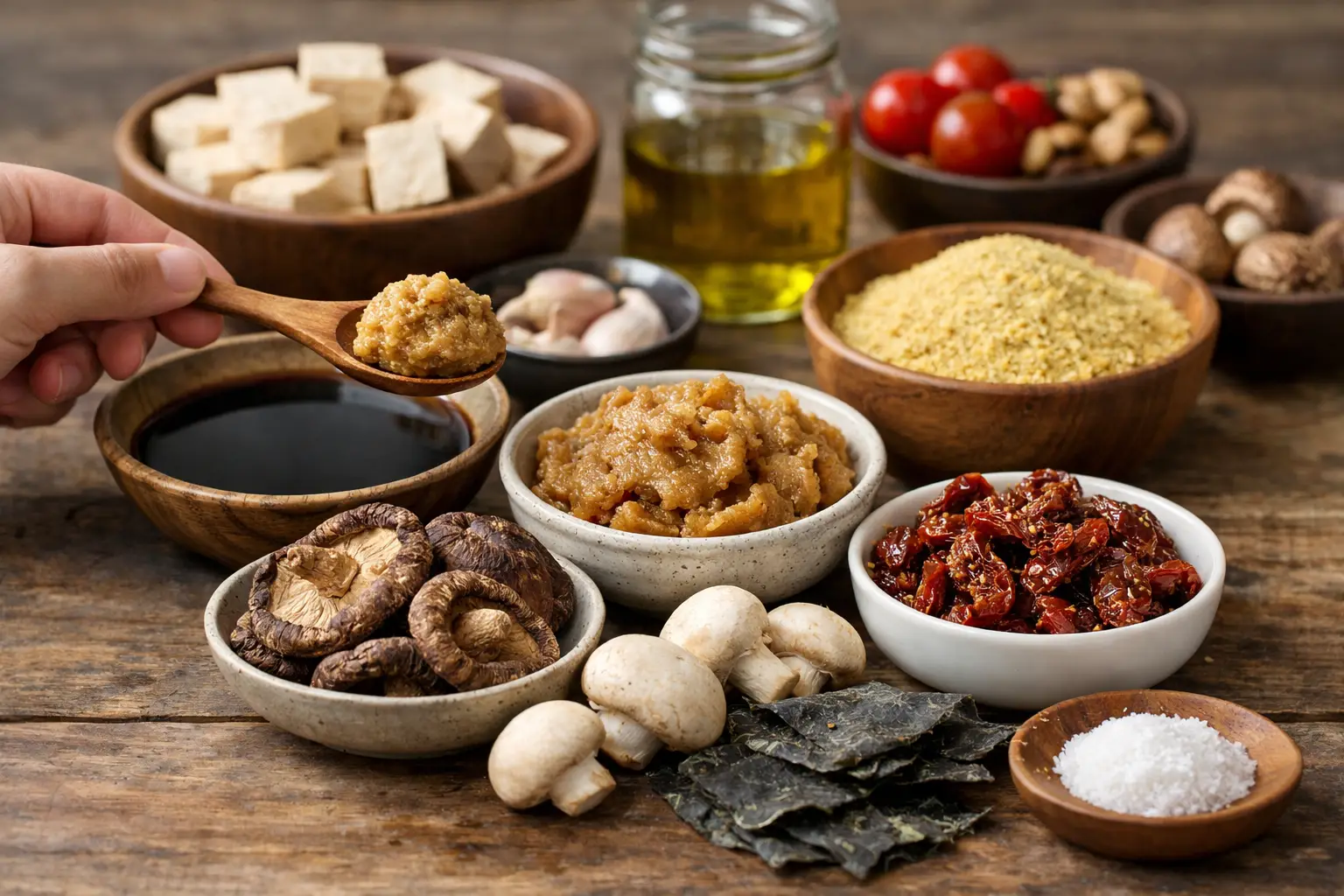
A pot of lentils can be nutritious, colorful, and full of good intentions – and still taste a little flat. That missing piece is often umami. If you’ve ever wondered how to add umami to vegan food, the answer is not one magic ingredient. It’s a handful of smart, flavor-first techniques that make plant-based cooking taste deeper, rounder, and much more satisfying.
Umami is the savory taste that gives food a sense of richness and depth. In traditional cooking, it often comes from cheese, meat, anchovies, or long-simmered stocks. In vegan cooking, you build it differently, but you can absolutely build it well. In fact, once you understand where umami lives in plant-based ingredients, everyday meals become easier to season and far more craveable.
How to add umami to food starts with ingredient choice
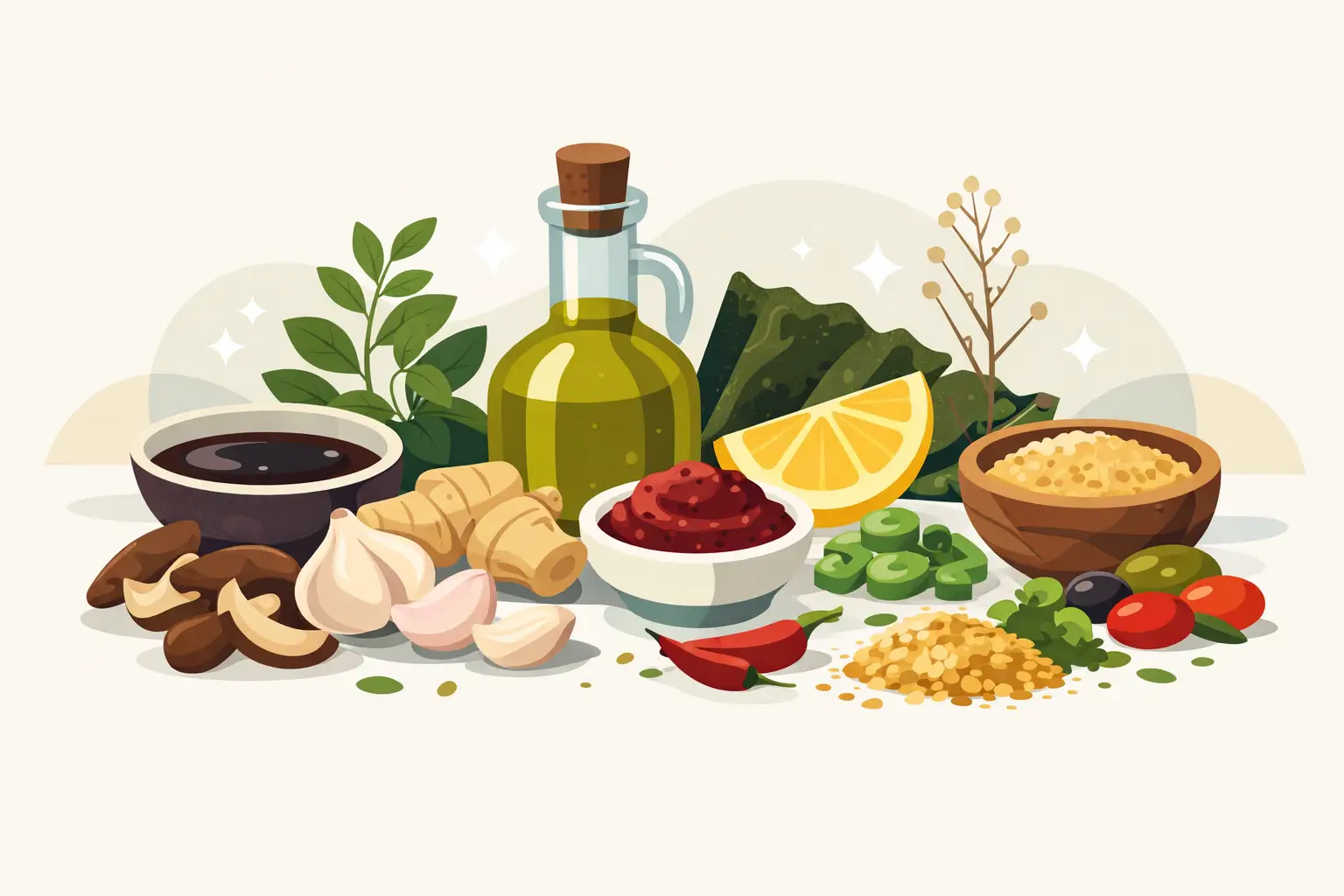
The fastest way to improve savory depth is to cook with ingredients that naturally carry glutamates and nucleotides, the compounds behind umami. Mushrooms are the obvious place to start, but they are only part of the story.
Dried mushrooms, especially porcini or shiitake, bring a concentrated woodsy savoriness that fresh mushrooms rarely match on their own. You can soak them, chop them into sauces, or use the soaking liquid in soups, risottos, and braises. Fresh mushrooms are still useful, but they need proper cooking. If they are crowded in a pan and steam instead of brown, you lose some of the depth you’re chasing.
Fermented ingredients are another shortcut to complexity. Miso adds salt, sweetness, and a savory backbone at the same time. Soy sauce and tamari do something similar, but with a sharper edge. A spoonful in a tomato sauce, lentil stew, or pan of fried rice can make the whole dish taste more complete. The key is balance. Too much, and everything starts tasting like soy rather than the dish itself.
Tomato paste is one of the most underrated umami tools in a vegan kitchen. It works best when cooked briefly in oil until it darkens and turns brick red. That extra minute transforms it from simple acidity into something deeper and sweeter. The same idea applies to sun-dried tomatoes, which can bring intensity to dressings, pasta sauces, and bean-based spreads.
Sea vegetables deserve more attention too. Kombu, nori, and dulse add marine savoriness without making food taste fishy when used carefully. A strip of kombu in beans or broth adds quiet depth in the background. Crumbled nori can sharpen grains, noodles, or roasted vegetables in a way that feels subtle but clever.
Then there are flavor boosters built specifically to do this work. A well-made vegetable bouillon or concentrated seasoning blend can add the slow-cooked depth that weeknight meals often lack. This is especially helpful when you want comfort and complexity without simmering a stock for hours.
Why browning matters as much as seasoning
If your ingredients are good but the dish still tastes one-dimensional, the issue may be technique. Umami is not only about what you add. It’s also about how you cook.
Browning creates flavor compounds that make vegetables taste fuller and more savory. Roast mushrooms, onions, cabbage, cauliflower, or carrots until they catch real color around the edges. Sauté onions until they are deeply golden rather than just softened. Let tofu sear properly before turning it. These steps sound small, but they change the whole character of a dish.
This is where many vegan meals go wrong. Everything goes into the pan at once, the heat is too low, and the ingredients release water instead of developing flavor. The result is technically cooked food with very little depth. Give ingredients space, use enough heat, and let color happen.
Deglazing helps too. When browned bits collect at the bottom of the pan, loosen them with a splash of water, wine, soy sauce, or broth. That fond is concentrated flavor. Stir it back into the dish and you instantly add another layer.
The best umami-building combinations
Single ingredients help, but the most delicious vegan food usually relies on combinations. Umami becomes more convincing when it comes from several directions at once.
Mushroom and miso is a great example. Mushrooms bring earthy savoriness, while miso adds fermented depth and a little sweetness. Tomato paste and soy sauce work beautifully together in ragus, chili, and braised beans. Roasted vegetables with a strong bouillon base can taste surprisingly luxurious, especially when finished with a touch of acid.
That last part matters. Umami needs contrast. Without brightness, savory dishes can become heavy or muddy. A squeeze of lemon, a dash of vinegar, or a spoonful of pickled onions can sharpen all the depth you’ve built and make it feel more vivid.
Fat also plays a role. Olive oil, vegan butter, tahini, or coconut milk can carry flavor across the palate and make umami feel more generous. But richness without structure can become dull, so this is always a balancing act. Think of great flavor as a triangle of savoriness, salt, and brightness, with texture keeping everything interesting.
How to add umami to vegan food in everyday meals
The easiest way to make this practical is to think in terms of familiar dishes.
In soups, start with sautéed onions or leeks, add tomato paste or mushrooms, then build with a flavorful bouillon. Finish with miso stirred in at the end so its more delicate notes stay intact. A simple vegetable soup becomes something warmer and more layered.
In pasta sauces, brown mushrooms hard, cook down tomato paste, and add a small splash of soy sauce or a spoon of miso for background depth. You do not need enough to identify the ingredient. You only need enough to make the sauce taste like it simmered longer than it did.
In fried rice or noodle dishes, soy sauce is the obvious move, but it works better when supported by browned mushrooms, scallions, toasted sesame oil, and a little chili. Umami should not flatten a dish into pure salt. It should make every bite taste fuller.
In burgers or meatballs made from beans, lentils, or grains, depth often comes from a mix of sautéed onion, mushroom, miso, and a concentrated bouillon or seasoning paste. These ingredients help bind flavor into the mixture so the final result tastes intentional rather than worthy.
Even hummus benefits from umami. A little miso, roasted garlic, or sun-dried tomato can give it more presence without making it complicated. The same goes for grain bowls, where a bold dressing or savory broth-cooked grains can carry the whole meal.
When too much umami becomes a problem
More is not always better. If a dish tastes dark, salty, or oddly heavy, you may have stacked too many concentrated ingredients. Miso, soy sauce, bouillon, dried mushrooms, and tomato paste are all powerful. Used together without restraint, they can crowd out freshness.
This is where tasting as you go matters. Add one umami source, then another if the dish still needs support. If it starts feeling dense, bring in acid, herbs, or a little sweetness from caramelized onion or roasted vegetables. Good cooking is rarely about maximum intensity. It’s about enough intensity in the right places.
The style of dish matters too. A delicate spring pea soup needs a lighter touch than a hearty lentil stew. A creamy pasta may need brightness to stay elegant. A rich mushroom ragù can handle more concentration. It depends on what you want the final bite to feel like.
The easiest shortcut for busy cooks
If you cook on busy weeknights, the real challenge is not understanding umami. It’s having time to build it. That’s where chef-made shortcuts earn their place.
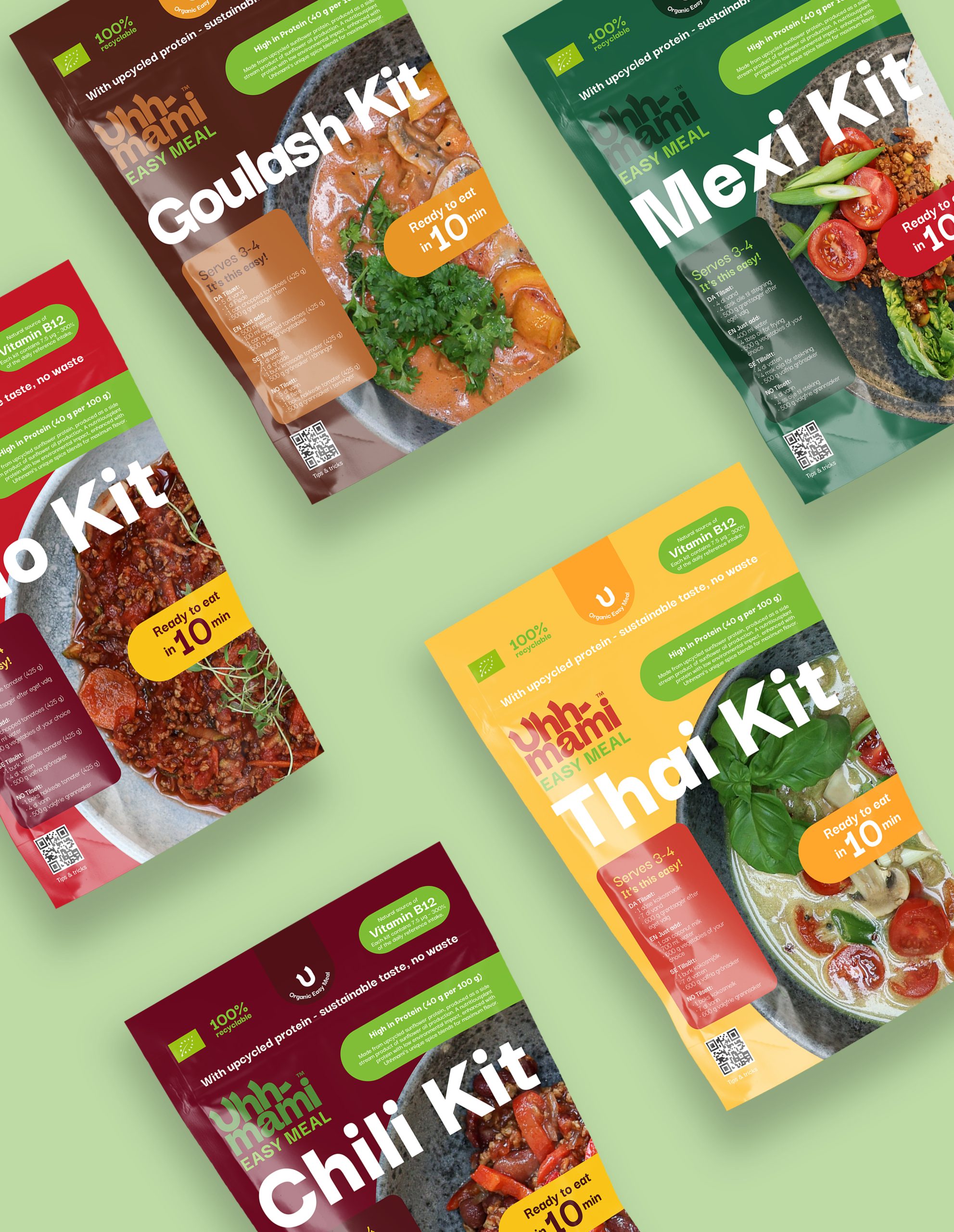
A good bouillon, seasoning paste, or flavor booster can turn a basic pot of rice, beans, soup, or sauce into something much more rounded in minutes. The best versions do not taste like a shortcut. They taste like someone in the kitchen knew exactly what was missing. For home cooks who want better flavor without turning dinner into a project, that kind of help is worth keeping close.
At Uhhmami, that’s the whole idea: make plant-forward cooking taste deeply satisfying, feel easy on a Tuesday, and leave room for creativity instead of extra effort.
Once you start cooking with umami in mind, vegan food stops feeling like it needs something added from another category. It starts standing fully on its own – savory, layered, comforting, and genuinely hard to stop eating.