Englisch (Vereinigte Staaten)
  Dänisch
  Niederländisch
  Spanisch
  Schwedisch
  Englisch (UK)
  Französisch
  Italienisch
  Norwegisch
  Finnisch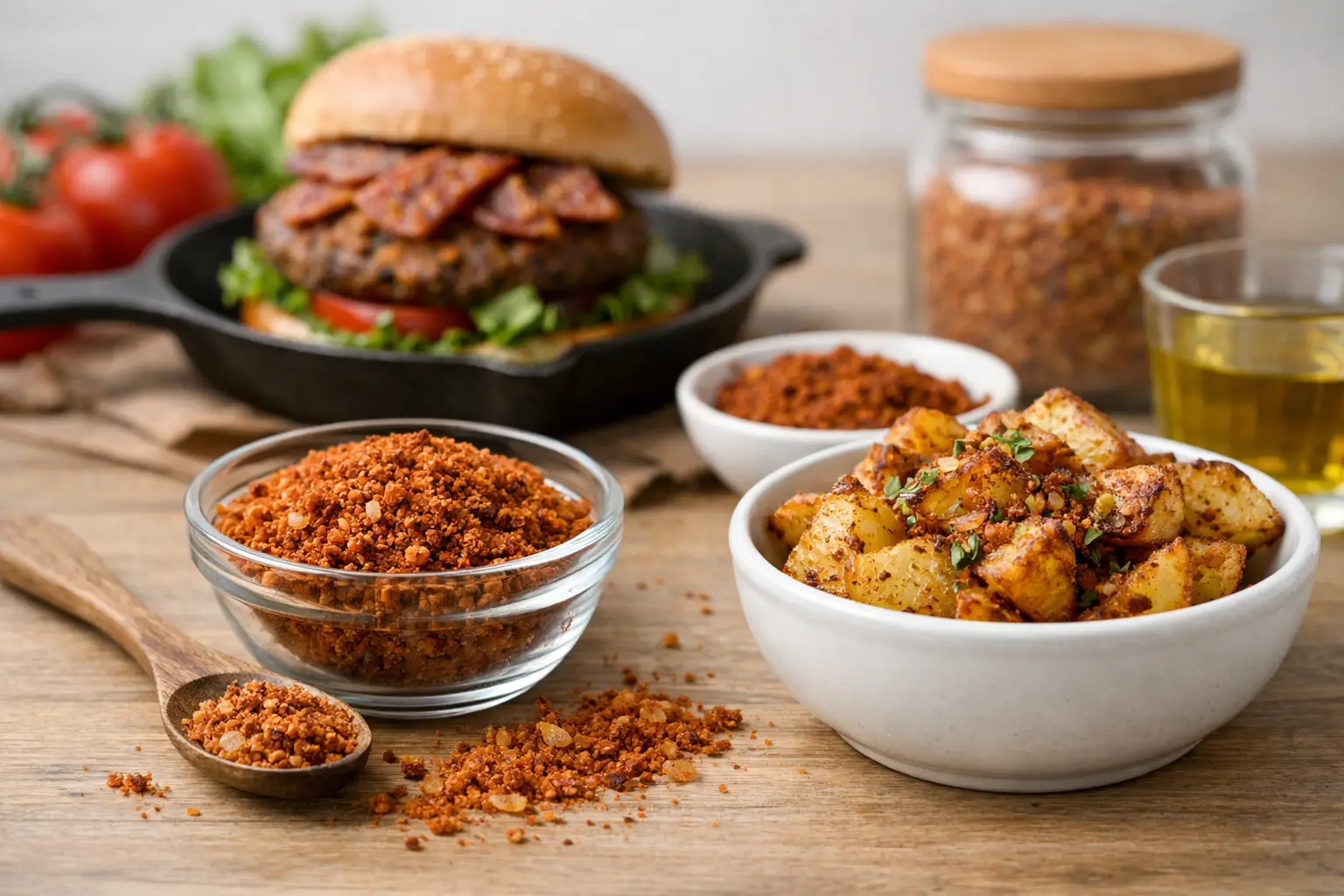
Some flavors do a lot of heavy lifting in the kitchen, and vegan bacon flavour seasoning is one of them. A small spoonful can bring smoke, salt, savoriness, and that toasted, deeply tempting note that makes a dish feel instantly more complete. It is less about imitation for imitation’s sake and more about capturing the part people actually crave – the rich, rounded flavor that makes food feel satisfying.
That is why this kind of seasoning works so well in everyday cooking. It gives plant-based dishes more depth, but it is just as useful for anyone who wants faster flavor without building everything from scratch. If you like food that tastes comforting, a little bold, and properly seasoned, this is one of those pantry shortcuts that earns its place quickly.
What vegan bacon flavour seasoning actually brings
At its best, vegan bacon flavour seasoning is a layered savory seasoning with a smoky backbone. You usually get some mix of smoke, umami, salt, sweetness, and aromatic notes like onion, garlic, black pepper, or paprika. The goal is not simply to make something taste smoky. It is to create the full impression of browned, savory intensity.
That distinction matters. Smoke on its own can feel sharp or flat. What makes bacon-inspired flavor appealing is the balance between smoke and richness, with enough savory depth to make vegetables, beans, grains, or sauces feel fuller on the palate. A good seasoning delivers that effect without requiring long cooking times or a long ingredient list.
It also gives you control. You can use just a pinch to add background depth, or push it forward when you want a stronger smoky-salty finish. That flexibility is part of the appeal, especially for home cooks who want big flavor on a weeknight.
Where vegan bacon flavour seasoning works best
The obvious place to start is breakfast, but that is only the beginning. This seasoning shines in foods that benefit from a little smoke and a lot of savory character.
Potatoes are a natural match. Toss roasted potatoes with oil and seasoning before they go into the oven, and the edges take on a deeper, more irresistible flavor. Hash browns, breakfast potatoes, and even mashed potatoes all welcome that extra hit of savoriness.
Beans and legumes also love it. Add a pinch to lentil soup, chickpea stew, or a pan of warm butter beans, and suddenly the dish tastes slower cooked than it really was. It can give plant-based meals the kind of depth people often associate with stockpots, roasting pans, and long reductions.
Pasta is another strong fit. A creamy sauce with mushrooms, peas, or caramelized onions becomes much more rounded with a little vegan bacon flavour seasoning stirred in. The same goes for mac and cheese, where a smoky note cuts through richness and keeps the flavor interesting.
Vegetables might be where this seasoning surprises people most. Brussels sprouts, cabbage, corn, cauliflower, and green beans all become more compelling with a savory-smoky finish. It does not overpower their character when used well. It simply gives them more dimension.
And then there are snacks. Popcorn, roasted nuts, crispy chickpeas, or homemade croutons all benefit from a seasoning that brings salt, aroma, and a little drama.
How to cook with vegan bacon flavour seasoning
The best approach depends on the dish. Sometimes you want the seasoning cooked into the base so the flavor melts into everything. Other times you want it added near the end so the aroma stays more vivid.
For soups, stews, sauces, and grains, add it early enough to bloom in a little fat or liquid. This softens the edges and spreads the flavor more evenly. If you are making risotto, fried rice, or a quick pan sauce, stirring it in during cooking helps the seasoning feel integrated rather than sprinkled on top.
For roasted vegetables, sheet pan dinners, or crispy toppings, coating ingredients before cooking usually gives the best result. The heat helps the seasoning cling and develop. Just keep an eye on anything with natural sugars or fine powders, since high heat can tip from toasty to bitter if the oven runs hot.
For finishing, think small and precise. A light dusting over avocado toast, deviled potatoes, a grain bowl, or a bowl of tomato soup can completely change the personality of the dish. This is where vegan bacon flavour seasoning acts more like a chef’s final touch than a background ingredient.
There is one trade-off worth knowing. Because these seasonings often carry salt and concentrated flavor, it is easy to overdo them if you are also using salty broths, cheese alternatives, soy sauce, or miso. Start modestly, taste, then build.
Vegan bacon flavour seasoning in simple everyday meals
This is where the ingredient really proves itself. You do not need a special recipe. You just need familiar food and a good sense of where extra savoriness would help.
In a weeknight pasta, sauté mushrooms and onions until deeply golden, add a little cream or a plant-based creamy base, then season with black pepper and a measured spoonful of vegan bacon flavour seasoning. The result lands somewhere between comforting and restaurant-style, with very little effort.
In fried rice, it can replace the role that smoky cured flavor sometimes plays in building depth. Add it with the aromatics or stir it through at the end with scallions and a little sesame oil. Suddenly leftover rice tastes intentional.
In soups, it works especially well with split peas, lentils, potato leek, and corn chowder. These are all dishes that love a savory backbone. You do not need much. Just enough to make the spoonful feel rounder and more layered.
For burgers or meatballs made with beans, lentils, mushrooms, or grains, a little seasoning in the mixture can add the kind of flavor people usually miss when the seasoning is too timid. The same goes for fillings for tacos, hand pies, or stuffed peppers.
Even dips and spreads can benefit. Mixed into hummus, white bean dip, or a creamy onion spread, it adds intrigue without turning the dish heavy. This is a good example of using it with restraint. You want guests to think, what makes this taste so good, not immediately identify the seasoning.
What to look for in a good seasoning
Not every smoky seasoning delivers the same result. Some are all smoke and salt, which gives you impact but not much complexity. Others are sweeter, softer, or more spice-forward. The right choice depends on how you cook.
If you use it often, look for balance first. You want savory depth, not just intensity. Clean ingredients matter too, especially in a seasoning you may reach for several times a week. A well-built blend should make food taste better fast, without leaving a harsh aftertaste or masking the rest of the dish.
Texture also matters more than people think. A finer seasoning disperses well in sauces, soups, and dressings. A coarser one may be better for crusts, roasted vegetables, or sprinkling at the table. Neither is universally better. It depends on whether you want it to melt in or stand out.
This is very much the Uhhmami way of thinking about flavor. The best pantry ingredients are not there to complicate cooking. They are there to help you get to delicious faster.
Common mistakes and how to avoid them
The first mistake is treating it like a one-note smoked spice. Vegan bacon flavour seasoning usually has more going on than that, so it deserves a little thought. Pair it with ingredients that can hold savory depth, like potatoes, mushrooms, cabbage, beans, onions, and creamy textures.
The second mistake is adding too much too soon. Because the flavor is concentrated, the line between delicious and overpowering can be surprisingly thin. Start with a small amount, especially in delicate dishes.
The third is forgetting acidity. Rich, smoky, savory flavors often taste better with a contrasting bright note. A squeeze of lemon over roasted vegetables, a splash of vinegar in beans, or fresh herbs over a creamy pasta can make the whole dish feel more alive.
Finally, do not expect it to do every job on its own. It is a supporting ingredient, not a magic trick. It works best alongside proper browning, enough fat, and thoughtful seasoning overall.
A smart shortcut for flavor-first cooks
There is a reason cooks return to ingredients like this. They make everyday food more craveable without asking for much in return. Vegan bacon flavour seasoning can turn a plain tray of vegetables into something people reach for again, give a pot of beans more character, or make a fast pasta feel finished rather than rushed.
If your cooking style leans practical but you still care deeply about flavor, this is exactly the kind of pantry ingredient worth exploring. Use it with a light hand, pair it with foods that welcome smoky savoriness, and let it do what the best seasonings do – make simple food taste like you meant it.